
custom tempered glass
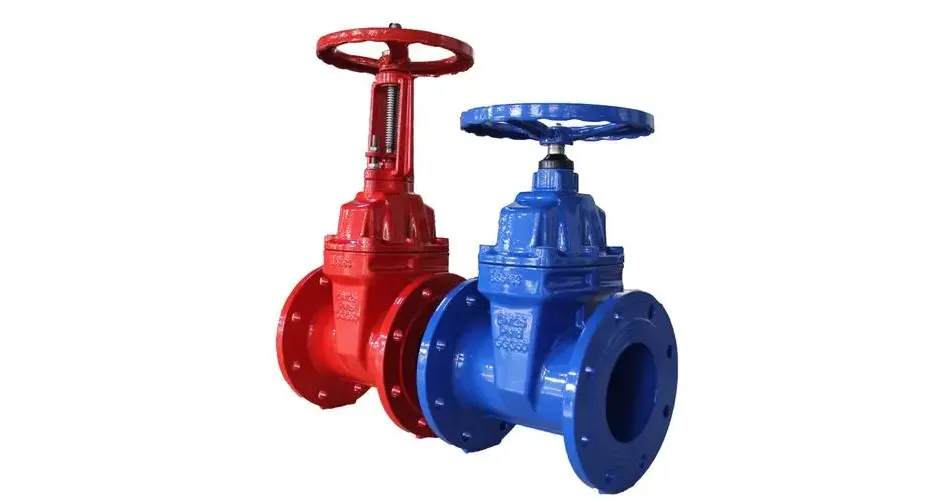
The Pricing of 8-Inch Gate Valves A Comprehensive Overview Gate valves are essential components in various industrial and commercial applications, offering reliable control of fluid flows in pipelines. One of the most sought-after sizes in the market is the 8-inch gate valve. This article will explore the factors influencing the price of 8-inch gate valves and provide insight into what consumers can expect regarding cost. Understanding Gate Valves Gate valves operate by raising or lowering a gate to start or stop the flow of a fluid. They are known for their ability to provide a straight-line flow with minimal pressure drop, making them ideal for on/off service in applications like waterworks, oil, gas, and sewage treatment. The 8-inch size is particularly popular due to its compatibility with standard piping systems across various sectors. Factors Influencing Price 1. Material of Construction The materials used in constructing an 8-inch gate valve significantly impact its price. Common materials include ductile iron, cast iron, stainless steel, and carbon steel. Stainless steel valves, known for their corrosion resistance, tend to be more expensive than those made from cast iron. The choice of material depends on the intended application and the type of fluid being transported. 2. Design and Features The design of the gate valve, including its valve type (wedge, parallel, etc.), operation method (manual, electric, pneumatic), and additional features (like fire safety or anti-blowout designs), can affect the price. A more advanced design usually comes with a higher price tag due to the increased complexity and manufacturing costs. 3. Brand and Manufacturer Like many products, brand reputation plays a crucial role in pricing. Established manufacturers often charge more for their products due to perceived quality, warranty, and support services. However, lesser-known brands may offer lower prices but can sometimes compromise on quality or performance. 8 inch gate valve price 4. Market Demand and Supply The economic principle of supply and demand also affects pricing. If the demand for 8-inch gate valves increases, particularly in industries like construction or infrastructure development, prices may rise. Conversely, a surplus in supply can lead to price reductions. 5. Regulations and Standards Compliance with industry-specific standards and regulations can influence the cost of gate valves. Valves that meet stringent safety and quality standards often come with higher certification costs, which can be reflected in the final price to the consumer. 6. Location and Shipping Costs The geographical location of the buyer can affect the price of an 8-inch gate valve. Shipping costs, tariffs, and local taxes can add to the overall price, especially if the valve is imported from another country. Purchasing from local distributors may help reduce shipping costs but could limit options. Expected Price Range As of October 2023, the price of an 8-inch gate valve can vary significantly based on the factors mentioned above. Generally, buyers can expect prices ranging from approximately $300 to over $1,500. Basic cast iron models are often more affordable, while high-performance stainless steel valves can command top-tier pricing. Conclusion When considering the purchase of an 8-inch gate valve, it is essential for consumers to evaluate their specific needs and the factors influencing price. While cost is a significant consideration, it is equally important to prioritize quality and performance to ensure the valve meets the demands of its application. Conducting thorough research, comparing different manufacturers, and understanding the specifics of gate valve options will ultimately lead to a more informed and satisfactory purchase decision. In this way, significant long-term savings can be achieved through efficient operation, reduced maintenance costs, and enhanced system reliability.
about
custom tempered glass
How to Close the Water Valve A Step-by-Step Guide Understanding how to properly close a water valve is essential for every homeowner. Whether you're dealing with a plumbing emergency, performing maintenance on your plumbing system, or preparing for seasonal changes, knowing how to close the water valve correctly is crucial to prevent water damage and ensure safety. This article will provide a comprehensive step-by-step guide on how to close the water valve effectively. Step 1 Identify the Water Valve Before you can close a water valve, you need to know where it is located. Most homes have several water valves, including 1. Main Water Valve This valve is typically located near where the water line enters your home, such as in the basement, crawl space, or outside near the foundation. 2. Individual Fixture Valves These valves can be found under sinks, behind toilets, or near appliances that use water, such as dishwashers and washing machines. 3. Outdoor Valves These are used to control water flow to outdoor hoses or irrigation systems. Once you’ve located the appropriate valve, ensure you have the right tools, if necessary. For most valves, you will simply need your hands, but occasionally, a wrench or pliers might be required. Step 2 Understand the Valve Type Water valves come in different types, such as gate valves, ball valves, and compression valves. - Gate Valves Usually rounded, these valves require you to turn the handle multiple times to close fully. - Ball Valves These generally have a lever handle that you can turn a quarter-turn (90 degrees) to close or open. - Compression Valves Commonly found under sinks, these require you to turn the handle clockwise to close. Knowing the type of valve will help you understand how to operate it effectively. Step 3 Prepare to Turn Off the Valve Before you begin turning off the valve, it’s essential to prepare 1. Clear the Area Make sure the area around the valve is free of obstacles. This will ensure you have enough space to maneuver and inspect for any leaks after closing the valve. how to close the water valve 2. Position a Container If the valve is under a sink or in a location where water could leak, place a bucket or container underneath to catch any residual water that may spill. Step 4 Close the Valve Now that you’re ready, proceed to close the valve - For Gate Valves Turn the handle clockwise until it is fully closed. You may need to turn it multiple times, depending on the valve size. - For Ball Valves Simply turn the lever 90 degrees until it is perpendicular to the pipe. In this position, the valve is closed. - For Compression Valves Turn the handle clockwise until it stops. Be careful not to overtighten, as this can damage the valve. Step 5 Check for Leaks After closing the valve, it’s crucial to check for any leaks. Turn on the faucet connected to the closed valve and observe 1. No Water Flow If there’s no water coming out, the valve has effectively closed. 2. Leaks If you notice any leaks around the valve, especially if it’s an older valve, it might indicate that the valve is worn out and may need to be replaced. Step 6 Document and Maintain Keep a record of the valves in your home and routinely check their condition. Proper maintenance can prolong the life of your plumbing system and prevent potential issues. Conclusion Closing a water valve is a straightforward yet essential task for any homeowner. By understanding the types of valves, knowing their locations, and following the steps outlined above, you can effectively manage your plumbing system. Whether you are responding to a leak, preparing for cold weather, or completing routine maintenance, mastering the art of closing water valves ensures your home remains safe and dry. Remember to remain proactive about your plumbing needs, and don't hesitate to call a professional if you're uncertain about any aspect of valve operation or maintenance.
-

High quality industrial productsagement

High quality industrial products
View Details -

Meet the diverse needs of customers

Meet the diverse needs of customers
View Details -

Strict quality control

Strict quality control
View Details -

Top raw materials

Top raw materials
View Details -

Trusted supplier

Trusted supplier
View Details
Our application


news and information
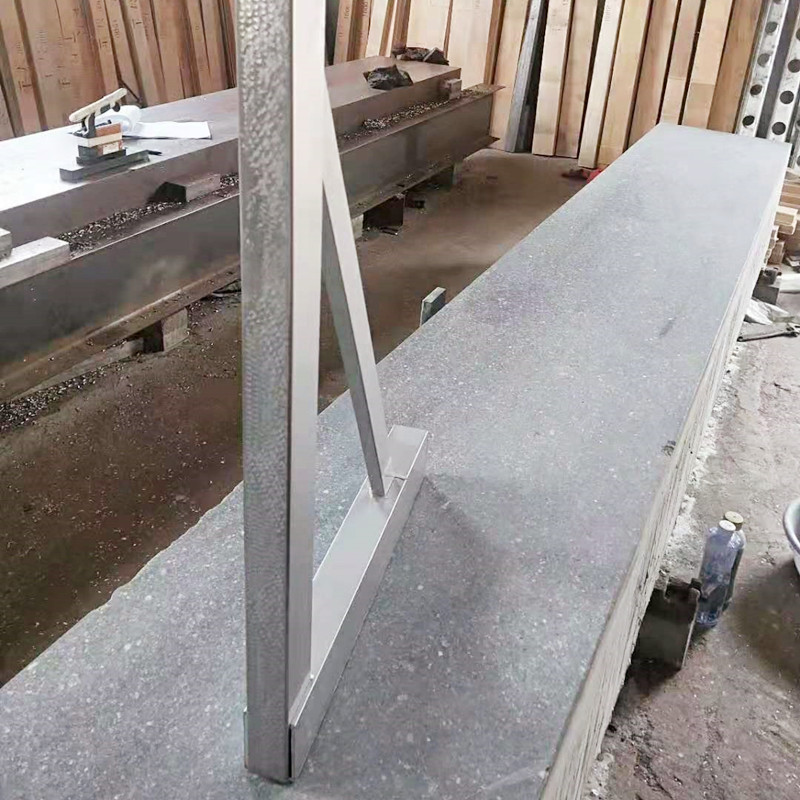
Van cầu 2 inch chất lượng cao cho hệ thống ống nước hiệu quả
2 inch globe valve .
vibration mounting pad
The Importance of Vibration Mounting Pads in Industry In today's fast-paced industrial environment,
welding fab table
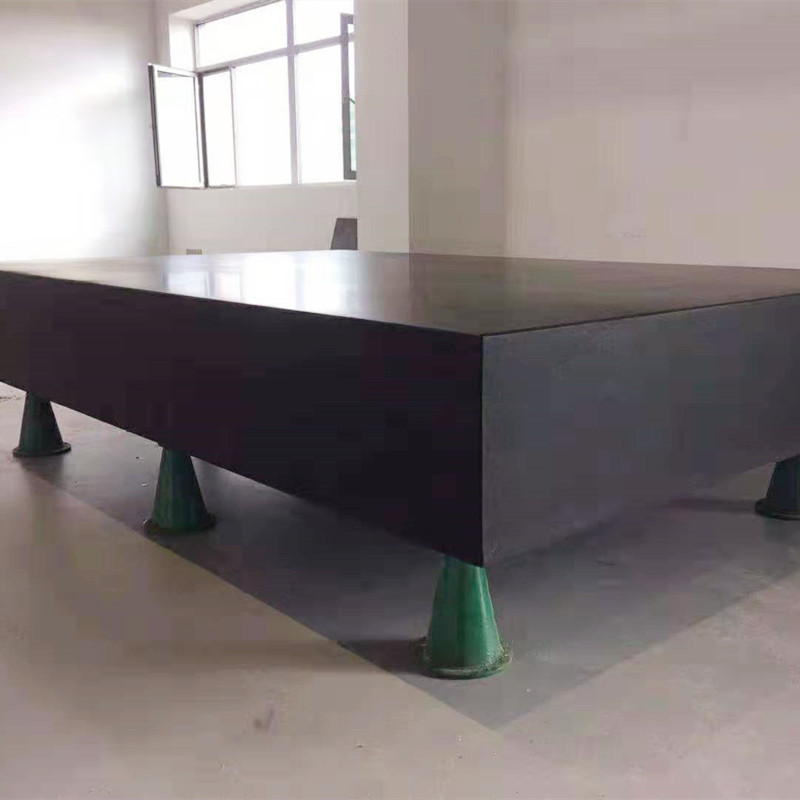
Understanding Welding Fabrication A Comprehensive Guide Welding fabrication plays a critical role in
 English